
Marketing Survey
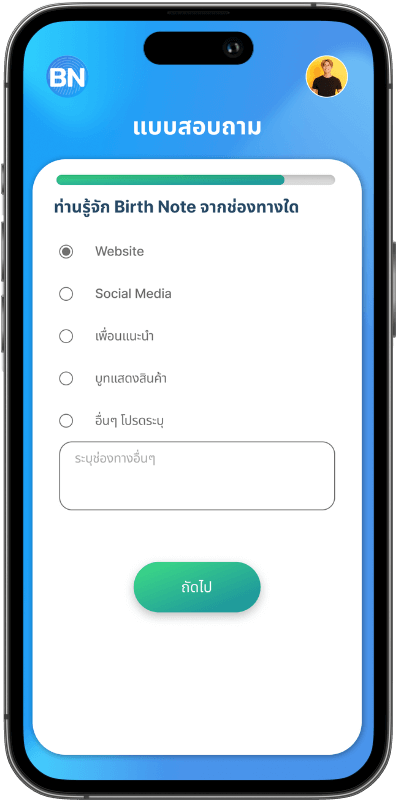
Understand your customers...to develop products that meet their needs, with QR code for marketing survey and customer data collection.
Easily collect customer data using QR Code
Break the rules of traditional questionnaires by simply scan the QR Code and fill in the information, and you will know what the customer answered immediately. In addition, the same customer will not take the same questionnaire again when scanning for another time, which means the company will receive multidimensional data from various questionnaire.
The important thing is that the company will get guidelines for product improvement and have data to produce new products that meet customer needs.
- Collect personal information such as name, address, phone number, email, income, gender, age, and interests.
- Display the registration history and all customer data, and can export the data as an Excel file.
- There is a business insight system that can easily view an overview of customer data
Collect data through the system. No paper is used.
Design your own survey with multiple sets
Design survey for specific products or SKUs
View customer info/report in the backend system
Increase Customer Data collection for business
Embrace the "Information Age" to transform business opportunities and possibilities.
Create a questionnaire to collect customer feedback by scanning a QR Code. The company will receive data from customers who actually purchased the product and their feedback on the product. This data will be compiled into a report, which can be used to analyze marketing data and save a lot of money on marketing research.
Advantages of Marketing Survey using QR Code
Easy, convenient, and fast
Just scan the QR Code on the product through customer's smartphone, fill out the survey, and press submit. The fewer steps make customers more willing to cooperate.
Increase the opportunity to develop new products
You can create multiple sets of surveys and set criteria for seeing the survey for each scan. This ensures that you get the information you need to develop new products that meet your customers' needs.
Save time and money
Traditional data collection takes a long time and is expensive. This is because you have to go to the field to collect data or hire an outsource company to conduct market research.
High accuracy of data from the real customers
The data is from real product users, including the customer's name, phone number, email, gender, age, scan location, scan time, income, and the answers to the questions asked by the product owner.
Real Data from your customers
Customize your survey
Brand owners can design questions and answers in a variety of ways, such as multiple choice, fill-in-the-blank, star ratings, or 1-10 scores. In addition, brand owners can design multiple sets of questionnaire for repeat customers and to explore customer behavior in depth.
Intelligence Report
In addition to the data collected from the survey, our system also stores the scan location, scan time, device used to scan, under the Privacy Policy. All of this data will be compiled into a report, making it easy to present to executives and use for marketing analysis.
Our trusted customers
Birth Note is trusted by many leading businesses, in many types of business








Start collecting first-party data from your products today
If you are a brand owner who wants to prevent counterfeit products while gaining deeper insights into your end customers, Birth Note is a QR code anti-counterfeiting sticker solution and customer data analytics platform designed specifically for your business
Frequenly Asked Question (FAQ)
Recommended Articles
Unlocking Marketing Success with Customer Data: QR Codes, Serial Numbers, and Receipt Scanning
The use of QR Code stickers, serial numbers, and receipt scanning can collect data and analyze it for further marketing purposes.

QR Code for dealer tracking helps solve cross-border selling / price undercutting problems.
Using QR Codes to track dealers. When a customer scans the QR code, the brand will know which dealer the customer is buying from.
Level Up Your Rewards: Loyalty Programs with QR Codes, Serial Numbers, and Receipts
Loyalty program is the cornerstone of customer retention strategy, by QR code scanning, inputting serial numbers, and scanning receipts
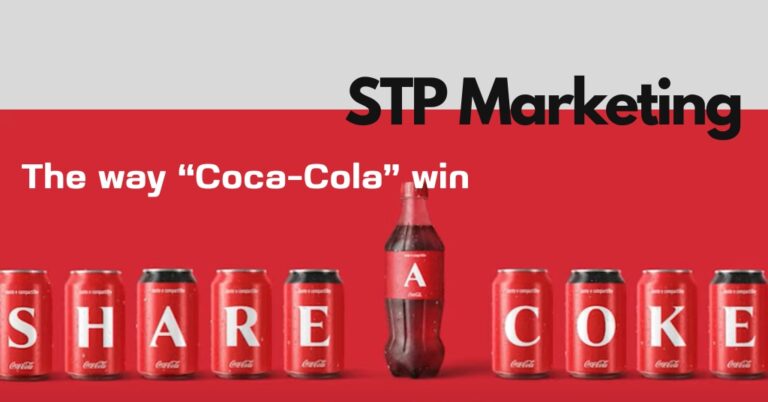
Know Your Customers & Outsell by using STP Marketing Model with Coca-Cola
The STP marketing strategy is an approach to effectively and accurately communicate the value of a product to the right target audience. It focuses on selecting the most valuable target customers for the business.