Get Marketing Insights First
Subscribe to receive actionable strategies, growth tips, and industry insights delivered straight to your inbox.

ข้อมูลลูกค้า เช่นพฤติกรรมการบริโภคและความชอบนั้นเป็นสิ่งที่มีค่า การเข้าใจลูกค้าของเราช่วยให้สามารถปรับการตลาดให้เหมาะสม
ปัจจุบันนี้ การเปลี่ยนแปลงของพฤติกรรมและการใช้ชีวิตของผู้คนดูเหมือนจะโน้มไปในทิศทางของดิจิทัลเป็นอย่างมาก และข้อมูลของลูกค้าดูเหมือนจะกลายเป็นทรัพยากรอันมีคุณค่าสำหรับธุรกิจ ถ้าเรารู้จักใช้ข้อมูลของลูกค้าอย่างมีประสิทธิภาพ เราจะสามารถได้รับข้อมูลสำคัญที่ช่วยให้สามารถดำเนินการตลาดได้ตรงกลุ่มเป้าหมายและสามารถปรับแต่งประสบการณ์ส่วนบุคคลได้มากขึ้น
เรามาดูกันว่าขั้นตอนในการปลดล็อกพลังของข้อมูลลูกค้าและการนำมาใช้ในกลยุทธ์การตลาดอย่างมีประสิทธิภาพ เพื่อผลลัพธ์ที่ดีขึ้นนั้นมีอะไรบ้าง

ข้อมูลลูกค้า ไม่ว่าจะเป็นพฤติกรรมการบริโภค ความชอบ และลักษณะทางสถิติของผู้บริโภคนั้นเป็นสิ่งที่มีค่า การเข้าใจลูกค้าของเราช่วยให้สามารถปรับการตลาดให้เหมาะสมตามความต้องการและความสนใจของลูกค้า ธุรกิจสามารถสร้างแคมเปญที่เกี่ยวข้องและน่าสนใจมากขึ้นโดยการใช้ข้อมูลลูกค้าอย่างมีประสิทธิภาพ ซึ่งผลลัพธ์ที่ได้รับคือความพึงพอใจของลูกค้า และ ROI สูงขึ้น
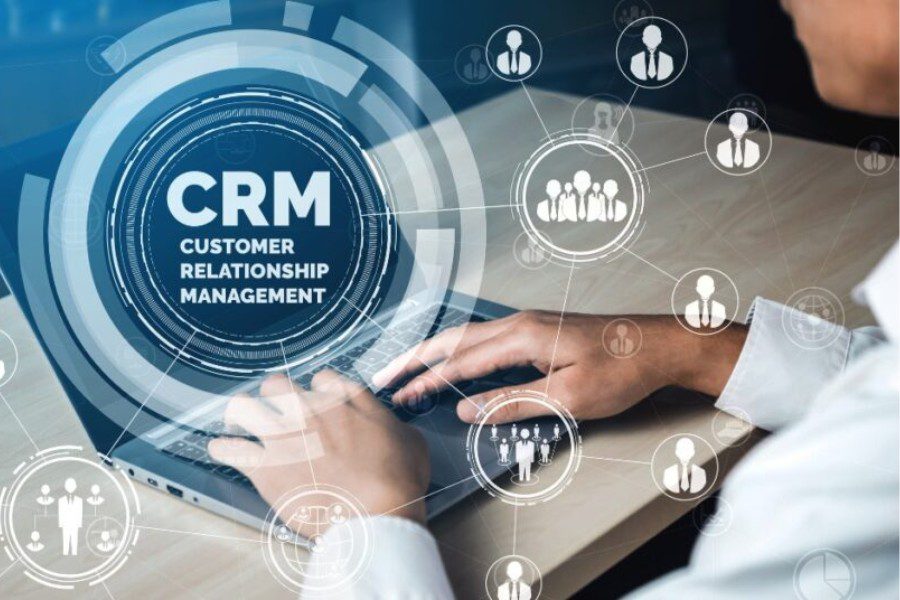
เพื่อการใช้ข้อมูลลูกค้าอย่างมีประสิทธิภาพ เราจะต้องมีระบบที่มั่นคงปลอดภัยสำหรับการเก็บรวบรวมและจัดระเบียบข้อมูล กลยุทธ์ทางการตลาดต่าง ๆ เช่นการสำรวจลูกค้า (Customer Survey) การวิเคราะห์เว็บไซต์ (Website Analytics) และระบบจัดการความสัมพันธ์กับลูกค้า (CRM) ทำให้เราสามารถรวบรวมข้อมูลอย่างมีประสิทธิภาพ และสามารถจัดระเบียบข้อมูลให้อยู่ในหมวดหมู่ เช่น ลักษณะทางสถิติ ประวัติการซื้อขาย และการปฏิสัมพันธ์กับลูกค้าเพื่อวิเคราะห์และแบ่งกลุ่มได้ง่าย
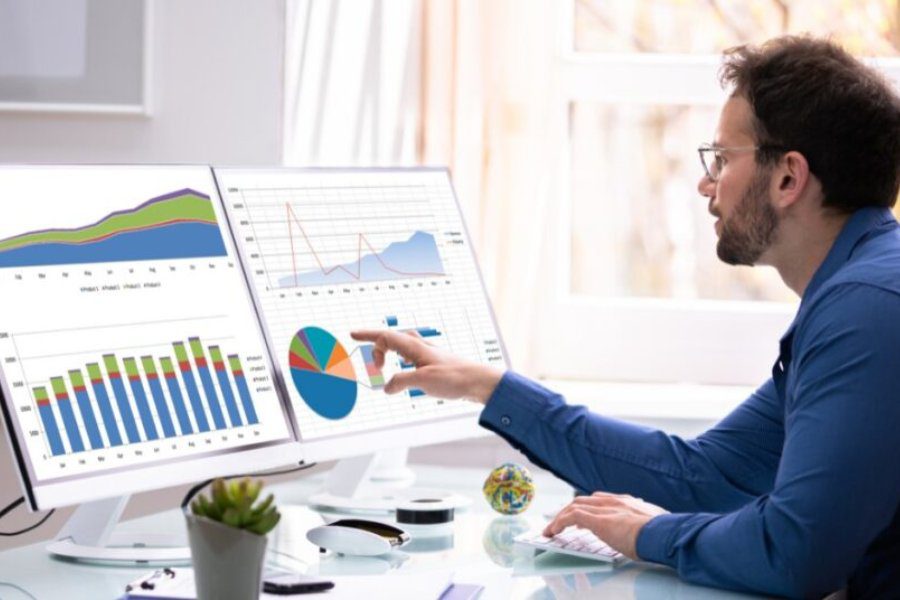
การวิเคราะห์ข้อมูลลูกค้าเป็นสิ่งสำคัญในการสกัดข้อมูลที่มีความหมายออกมา เราสามารถใช้เครื่องมือในการวิเคราะห์ข้อมูลเพื่อระบุรูปแบบ แนวโน้ม และความชอบของลูกค้า โดยการเข้าใจพฤติกรรมของลูกค้าและปรับกลยุทธ์การตลาดให้เหมาะสม นอกจากนั้นยังสามารถแก้ไขปัญหาได้อย่างมีประสิทธิภาพ
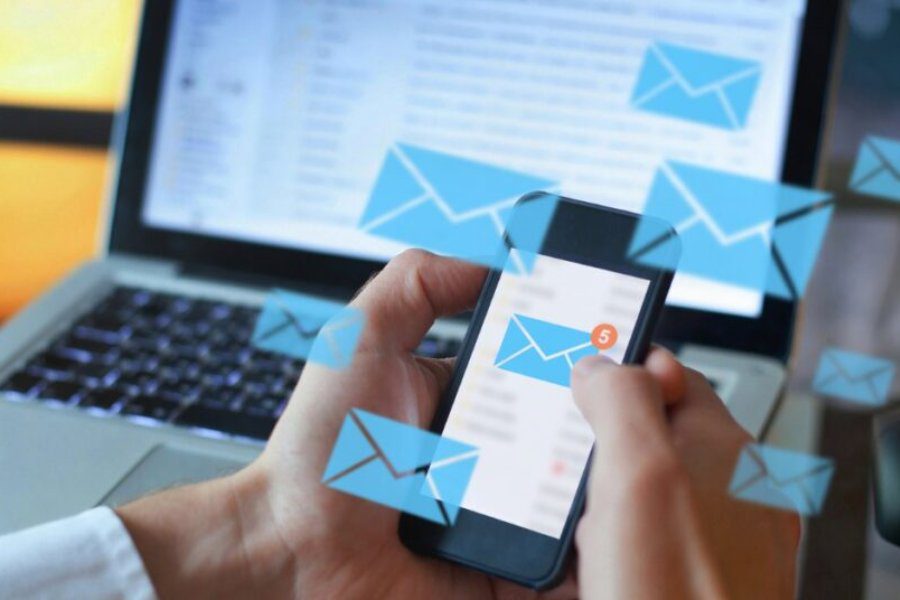
การปรับปรุงการตลาดให้เป็นแบบบุคคล (Personalization) เป็นสิ่งสำคัญในการสร้างความสำเร็จทางการตลาด เราสามารถใช้ข้อมูลลูกค้าในการสร้างประสบการณ์ที่ทันสมัยผ่านการส่งข้อความไปยังกลุ่มเป้าหมาย ปรับแต่งข้อเสนอ และการแนะนำที่เป็นรายบุคคล โดยการให้บริการตามความต้องการที่เฉพาะเจาะจง ซึ่งสามารถสร้างความเชื่อมั่นกับลูกค้าและเสริมสร้างความภักดีต่อแบรนด์ได้

เราสามารถระบุกลุ่มเป้าหมายที่เหมาะสมด้วยการวิเคราะห์จากข้อมูลลูกค้า โดยวิเคราะห์ลักษณะทางสถิติของลูกค้า ความสนใจ และนิสัยการซื้อ เพื่อสร้าง Buyer Persona (ลักษณะของลูกค้าในอุดมคติ) จากนั้นก็ปรับข้อความและช่องทางเพื่อทำให้เกิดประสิทธิภาพในการเข้าถึงกลุ่มลูกค้าเป้าหมาย และแปลงลูกค้าเป้าหมายให้เป็นลูกค้าตัวจริง

ติดตามและวัดผลของแคมเปญการตลาดของเราโดยใช้ข้อมูลลูกค้าอย่างต่อเนื่อง ติดตามตัวชี้วัดสำคัญ เช่น อัตราแปรผัน ความสัมพันธ์กับลูกค้า และผลตอบแทนของการลงทุน (ROI) โดยการวิเคราะห์ผลลัพธ์ที่ได้จากการทำแคมเปญ ซึ่งเราจะสามารถระบุว่าสิ่งที่จะต้องปรับปรุงคืออะไร จากนั้นก็ปรับกลยุทธ์ของเรา เพื่อผลลัพการตลาดที่ดีกว่า
การนำข้อมูลลูกค้ามาใช้ให้เกิดประโยชน์ เป็นเครื่องมือที่มีประสิทธิภาพสำหรับนักการตลาดสมัยใหม่ โดยการเข้าใจลูกค้าของเราในระดับที่ลึกซึ้งและปรับกลยุทธ์การตลาดให้เหมาะสม เราสามารถได้ผลลัพธ์ทางการตลาดที่ดีขึ้นและสร้างการเติบโตธุรกิจได้ ด้วยการการจัดแคมเปญการตลาดที่มีประสิทธิภาพมากขึ้น
ปรึกษาผู้เชี่ยวชาญจากเบิร์ธโน๊ต ฟรี! เราจะช่วยออกแบบโซลูชัน QR Code ที่เหมาะกับธุรกิจของคุณ
โทร: 099-564-5947 | 096-142-9547 · ตอบกลับภายใน 24 ชั่วโมง
รวบรวมคำถามที่พบได้บ่อยๆ เกี่ยวกับบทความนี้